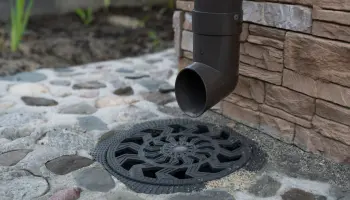
When your property doesn’t easily and quickly drain excess moisture away from your home, you’ve got a recipe for trouble. All that extra water means you’ll eventually end up with foundation damage. French drains can solve that problem—but if they don’t get installed properly, they could make your situation worse, not better.
Protect your foundation by avoiding these all-too-common mishaps with French drain installation.
What a Properly Installed French Drain Does
A French drainage system is placed in the ground around your home to help water move away from places where it would otherwise pool. This simple, effective fix can eliminate standing water, keep soil from eroding and plants from drowning, and safeguard your foundation from costly moisture damage.
What Not to Do When Installing a French Drain
Avoid these common errors to ensure your drainage works well.
1. Failing to Check before You Dig
The ground around your home hides a variety of necessary utilities—including sewer lines, home plumbing, gas lines, and even in some cases, electrical wiring. Damaging those features is both dangerous and expensive.
The fix: Call your municipality and/or local utilities companies to find out where it is safe to dig, or work with a knowledgeable contractor who will find those details out for you.
2. Ignoring the Direction of Water Flow
The entire purpose of a French drain — or any home drainage system for that matter, including gutters — is to ensure water moves away from your foundation, through your soil, and safely off your property. If you put the drain in the wrong place, the water could end up pooling in landscaping or around your home, leading to leaks and foundation damage.
The fix: Pay attention to where water flows right now around your property. Then, plan the drainage system carefully so it goes in the right direction, avoiding “danger” spots like loose gravel, which can impede flow.
3. Using the Wrong Rock/Gravel Base
French drains rely on allowing rain and moisture runoff to filter safely into and through the drainage system. The right size and style of gravel around the drain is vital to making sure you actually get the benefits of your French drain.
The fix: Clean, round, natural stone around 1.5 inches in diameter/size is best for getting the right amount (and speed) of drainage. Don’t use small pea gravel or crushed rock—two common mistakes that lead to too-slow drainage and/or clogging.
4. Forgetting to Line the Trench
To get the proper function out of French drains, the trench must be lined with drainage fabric. This material prevents clogs by keeping dirt and debris from seeping into the system through the ground.
The fix: Not just any old fabric will do the job. You need 4- to 6-ounce, nonwoven fabric that is designed for drainage systems. Make sure it is installed in at least 12-inch strips that overlap in the direction you want water to flow (higher up at the start, lower at the end of the flow). Securely fasten the pieces with staples to keep everything in place.
5. Making Mistakes with the Drain’s Slope
Water flows downward. This basic fact can easily be overlooked by those who aren’t experts in installing drainage. If the slope of your drain is too flat, has dips (ups and downs), or goes from low to high instead of high to low, moisture will get trapped instead of draining away.
The fix: French drain systems require a positive (high to low) grade greater than 1%. This angle of descent for your drainpipe and trench is best calculated by experts. At Edens Structural Solutions, we work with vetted, third-party engineers who can correctly assess your property’s slope. That way, we can provide the ideal French drain system for your home.
6. Filling the Trench with the Excavated Soil
This may seem surprising. Why wouldn’t you simply put the soil from the trench back in place once the drainage pipe is laid? Simply put, heavy soil around the drainpipe can lead to a lot of problems with how well the system works.
The fix: Use gravel around the pipe, and place a very light landscaping feature, such as a thin layer of grass over the drainage system if you’re concerned about appearance. Make sure, though, that the drain won’t get covered up.
7. Skipping the Drainpipe
Installing a French drain involves a lot of steps, and it can be tempting to skip some of them—such as not actually using a drainage pipe. But without proper piping, the water won’t flow where it needs to go. You’ll end up with the same problems you spent time and money to prevent.
The fix: Install a pipe to handle the flow of heavy water. French drainpipes should be 4-6 inches in diameter to allow smooth flow away from your foundation. The piping needs to be perforated, and the holes must face downward (which is counter-intuitive to many people, but it ensures the best flow.)
8. Pointing Downspouts Directly into the Drain
It’s important to remember French drains are limited in size and can only handle so much water at a time. Pointing gutter systems into the drain will cause flooding that overwhelms your system.
The fix: Install a catch basin between the gutter’s downspout and the drainpipe. This slows the flow of water so it can move well through the drainpipe, and also serves to catch leaves and debris so they don’t clog your French drain.
Get the Best French Drain Installed Properly for Your Home
Putting in a French drain can benefit your property, but it’s not a project for the inexperienced. Rather than risking a problematic installation, have your French drainage system installed by our experts at Edens Structural. We’ll assess your yard’s drainage issues and provide guidance on the best fix, so your home’s foundation is protected from moisture damage.
Learn how our drainage repair and installation solutions can keep your Oklahoma property protected.